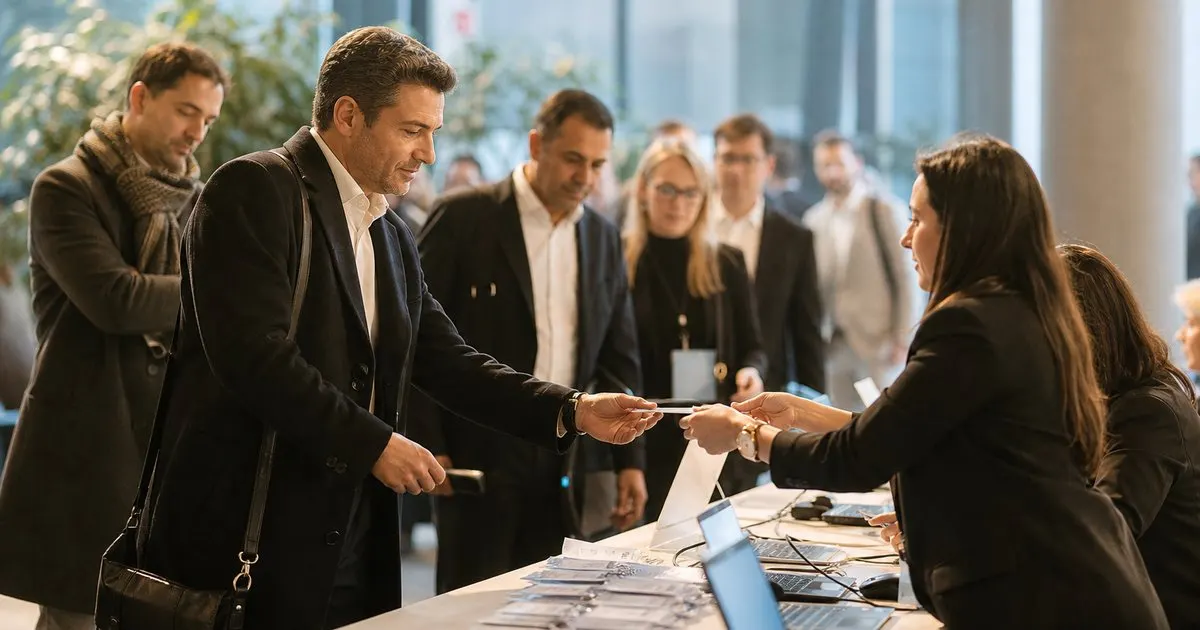
Event Check-In
How can event organizers speed up the check-in line during the busy first hour of a conference?
Turning the front table into a fast lane so the morning rush does not sour the whole event.
Practical, honest advice from the team behind BadgeCheckr, written to help you do this well.
Turning the front table into a fast lane so the morning rush does not sour the whole event.
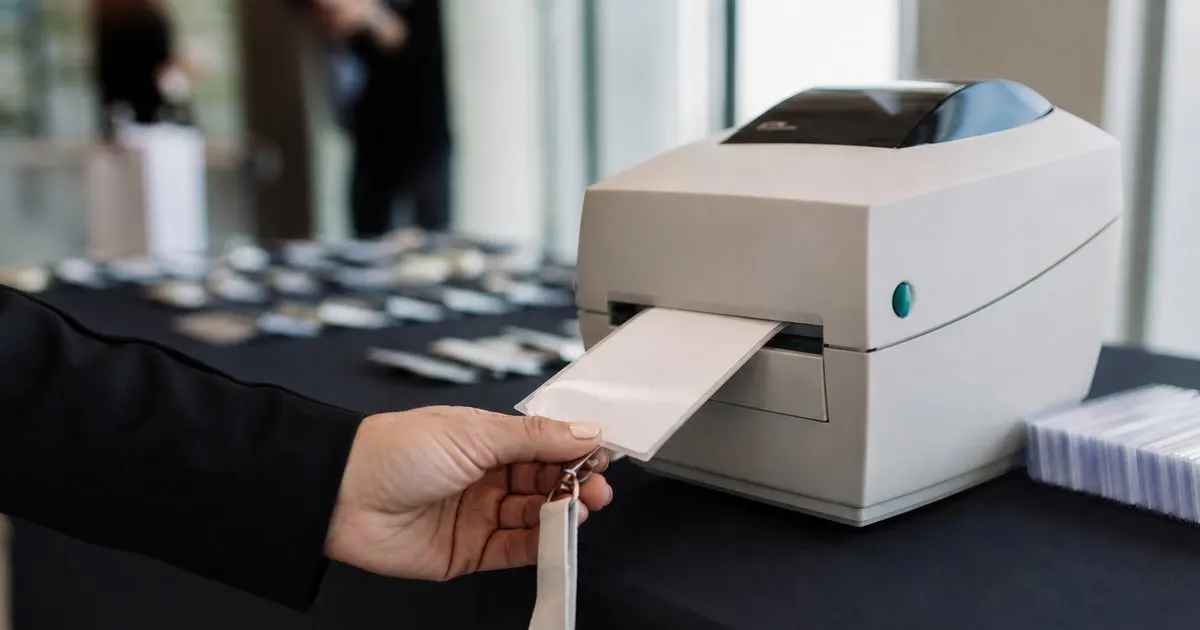
Why printing a badge at check-in beats sorting boxes of pre printed names for a smoother door.
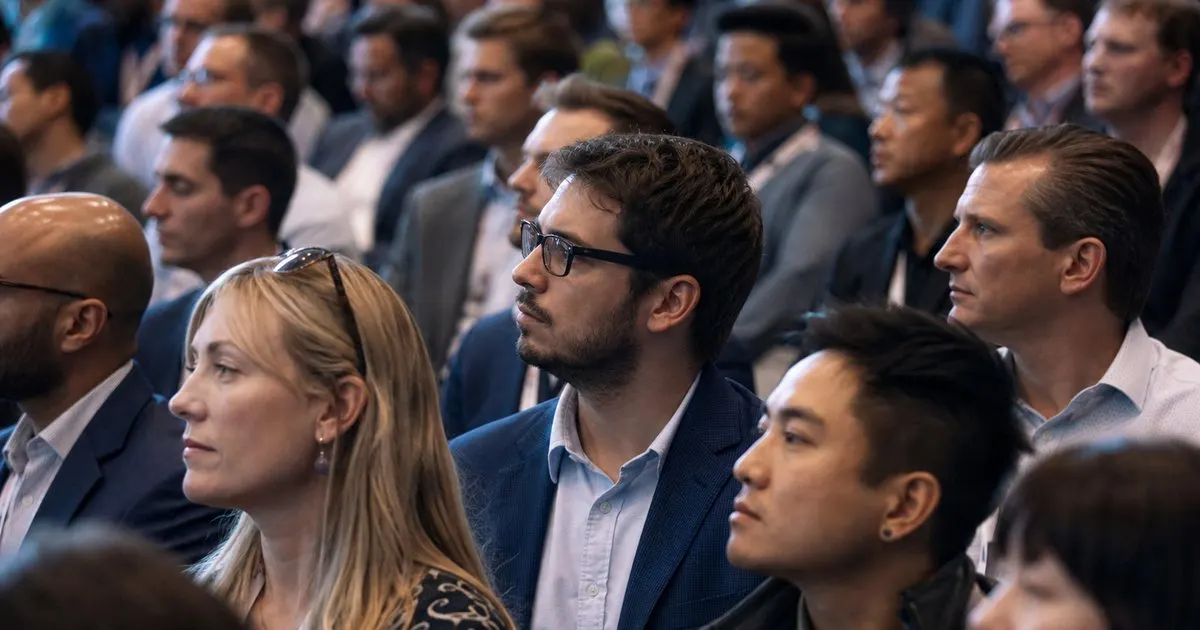
Watching how full each room gets so you can manage a packed session before it becomes a problem.
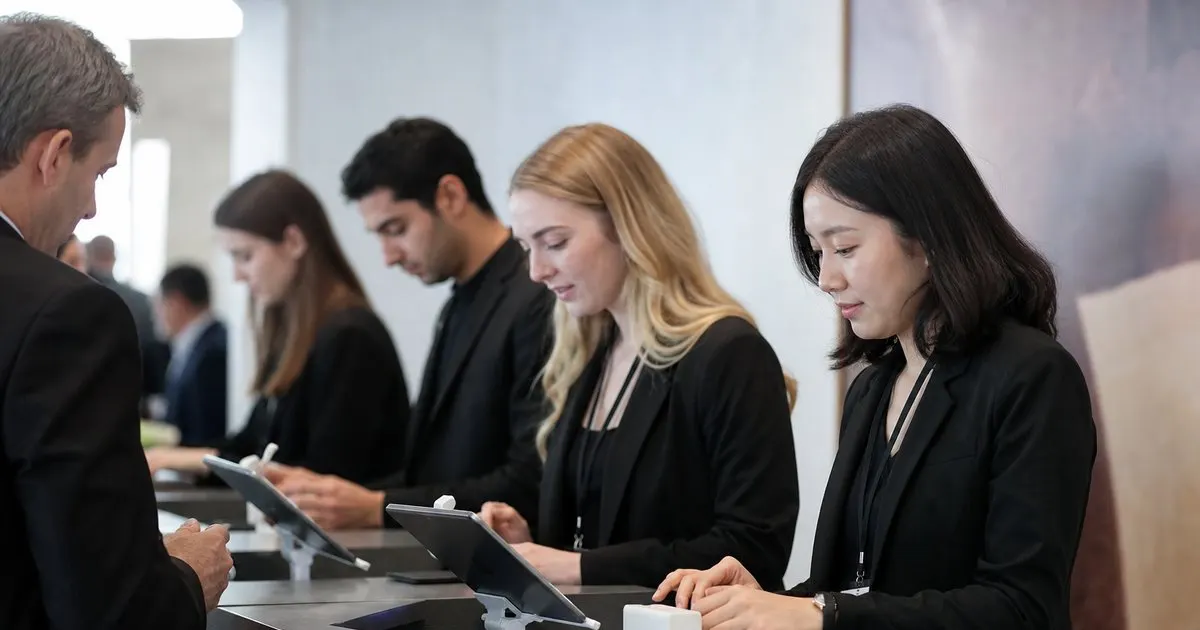
Keeping several doors in sync so a busy event opens fast and every arrival is counted just once.

Adding a new attendee and printing their badge on the spot so late arrivals do not jam the line.
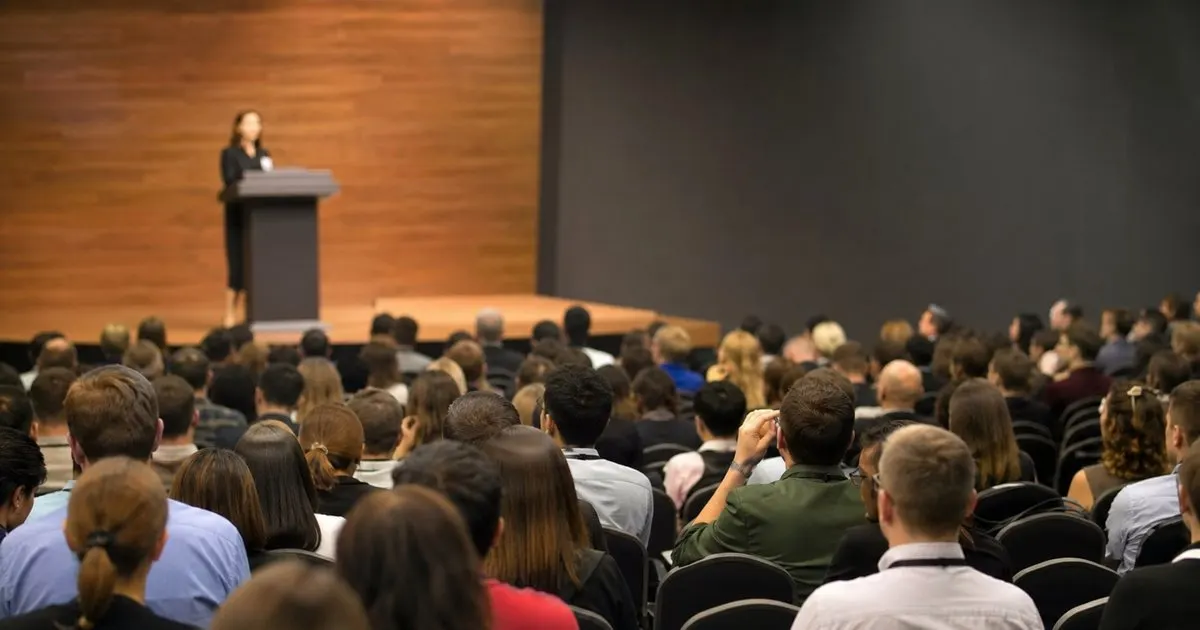
Why arrivals data tells a truer story than sign ups, and how to capture it as people walk in.
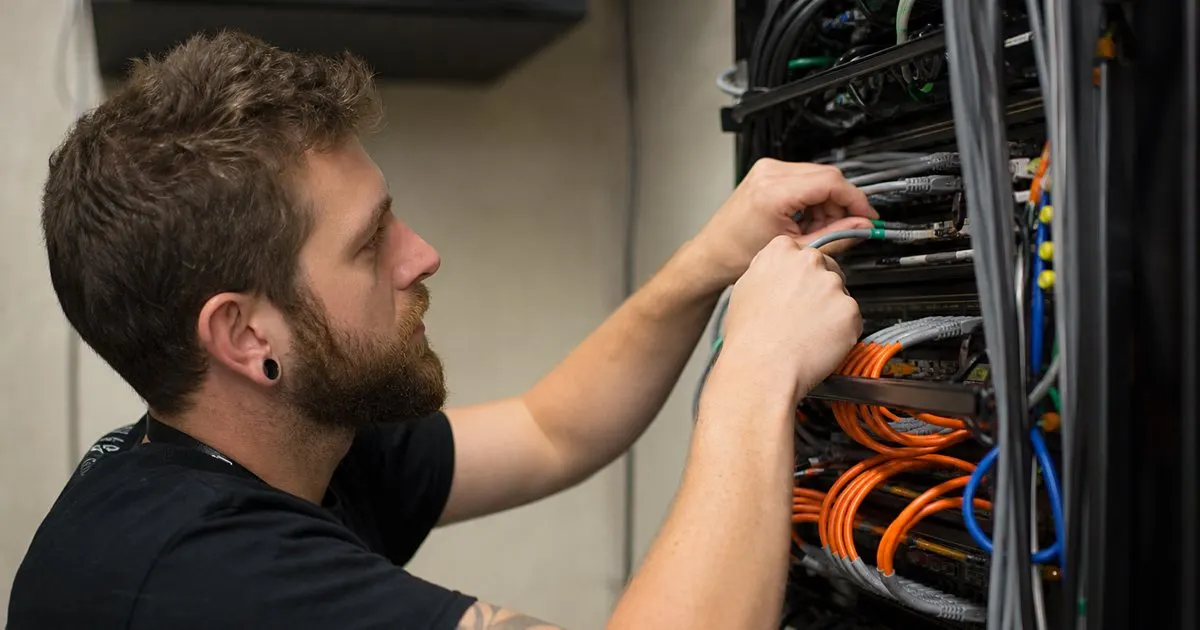
An honest look at how connection quality affects check-in and how to prepare for a shaky network.
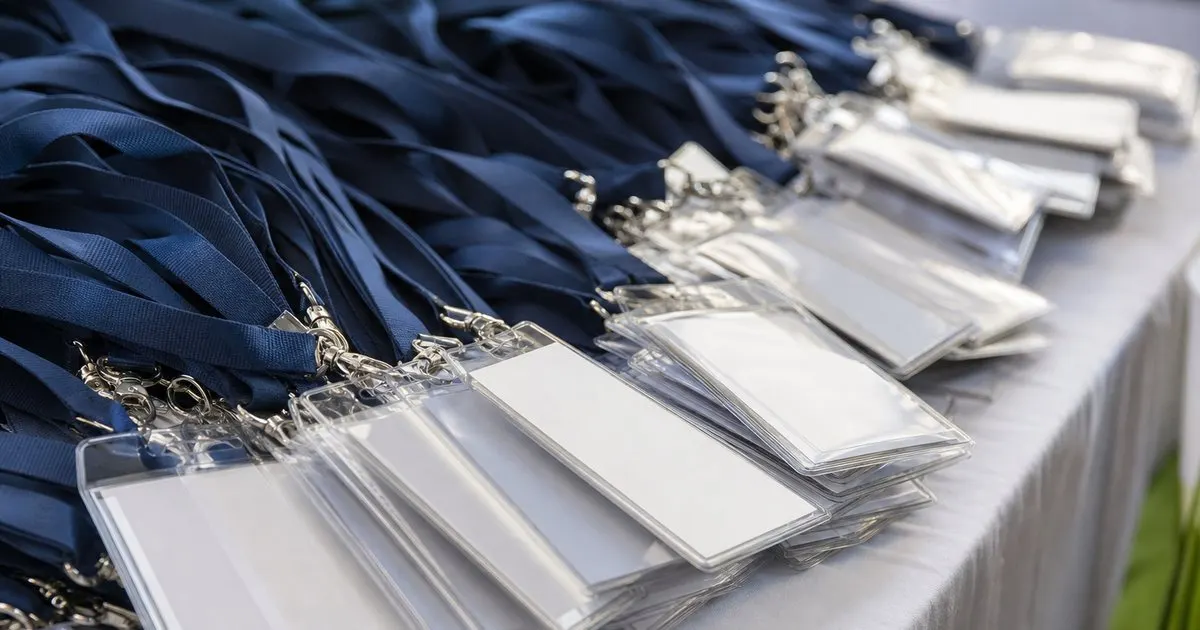
Weighing cost, speed, and experience to decide how your recurring event should handle badges.
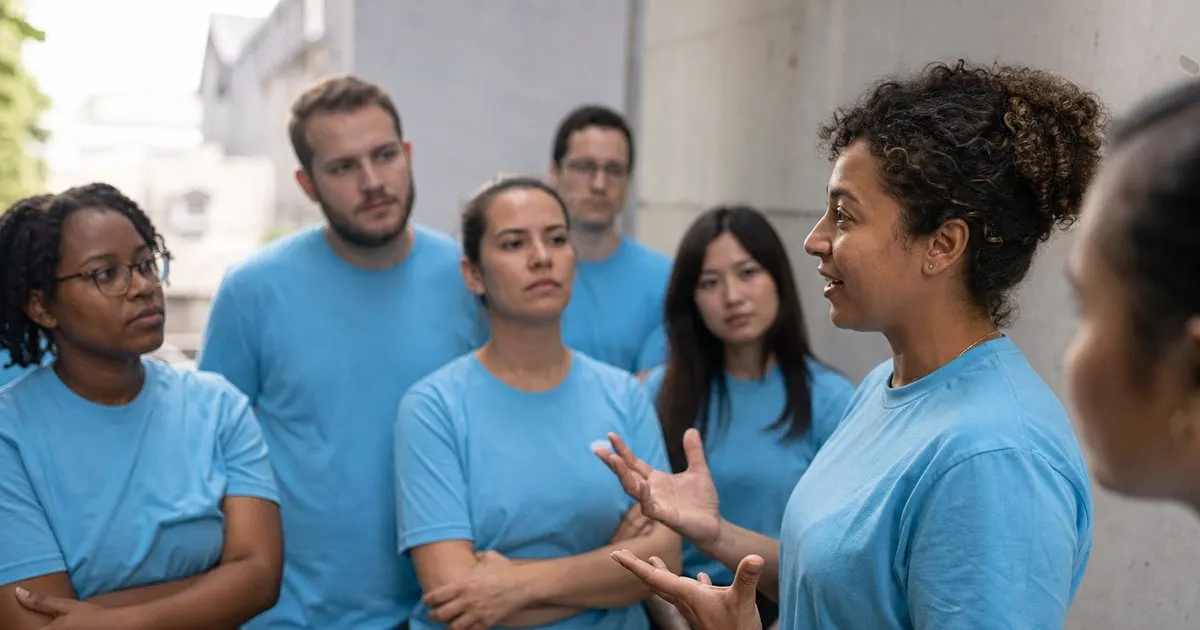
Getting your volunteers ready so the first rush is handled with calm confidence, not confusion.
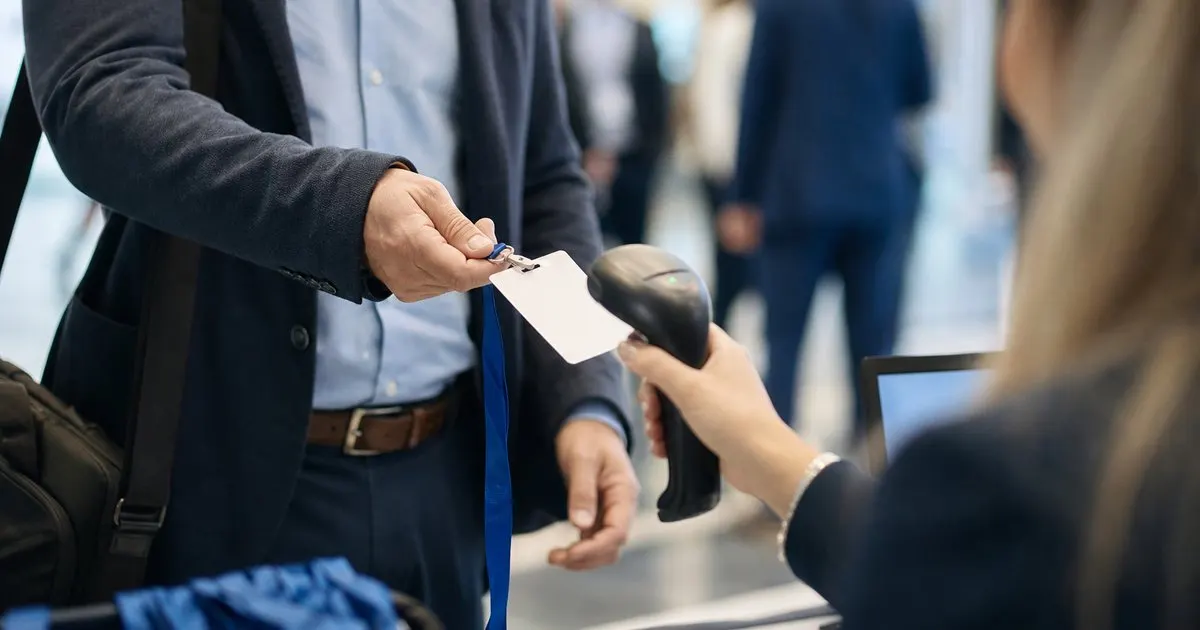
QR codes, NFC chips, and traditional barcodes each scan differently, cost differently, and fail differently. Here is how to choose for a conference of a few hundred to a few thousand people.
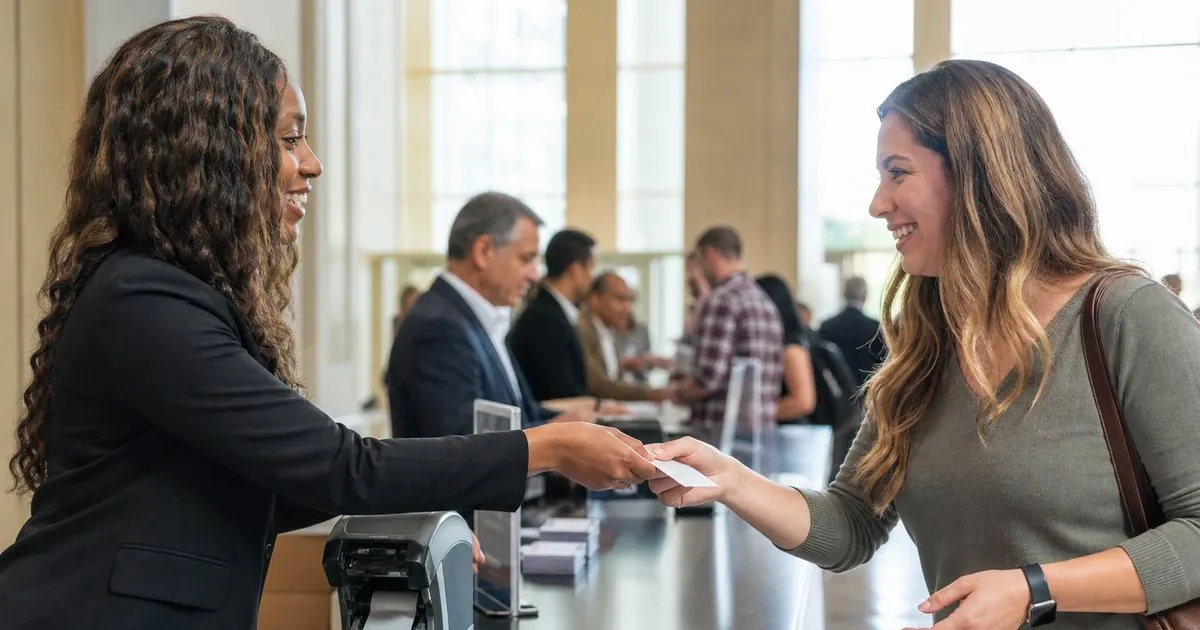
Lost badges and bad spellings are the two most common desk interruptions at any event. A clear script keeps the line moving and the attendee happy.
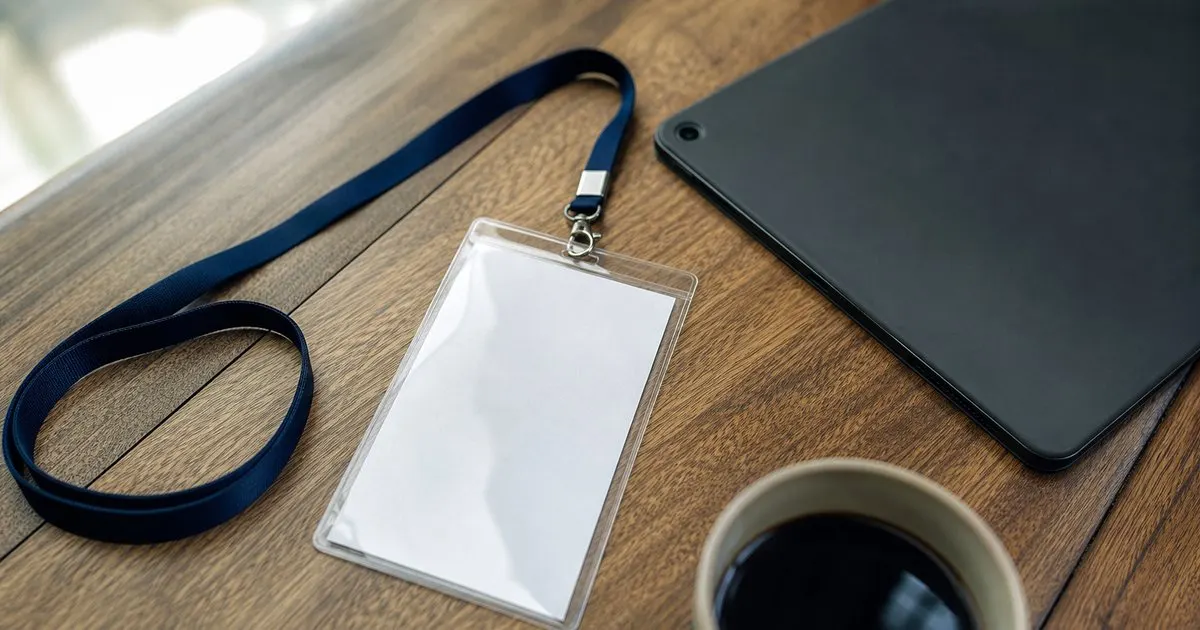
A badge can hold a single ID number or a full contact card. Carrying less is usually safer, faster, and easier to explain to attendees.
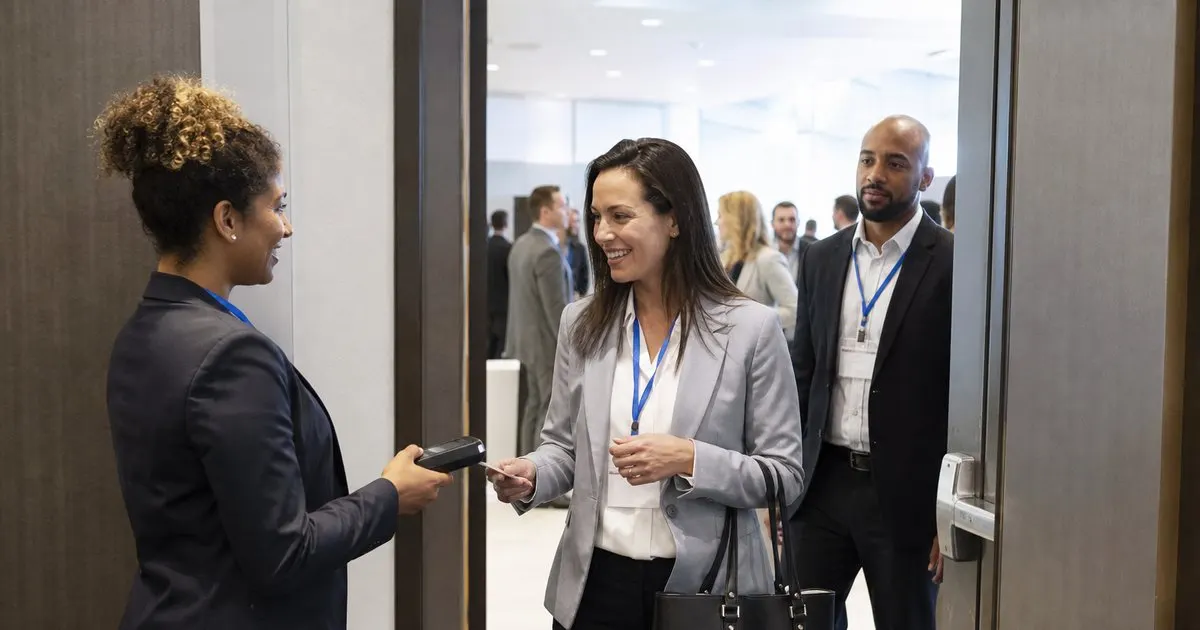
Accrediting bodies want evidence that a professional actually sat through a session. Door scans can provide it, but only if you design the process for audits rather than just for counting.
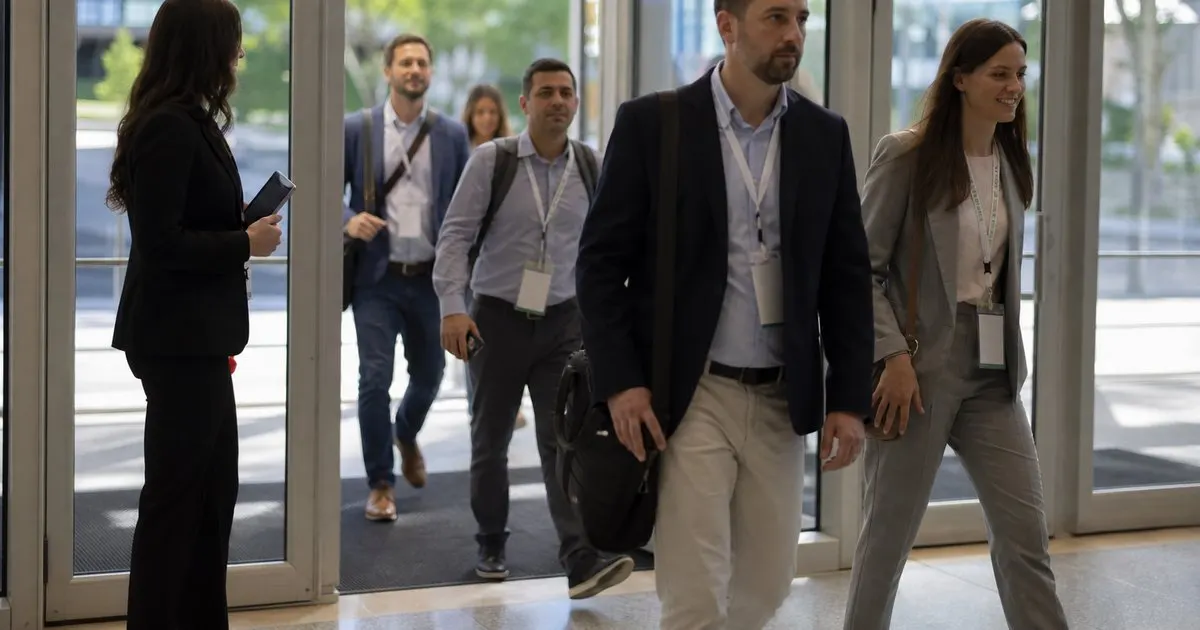
Day one check-in tells you who picked up a badge. It does not tell you who came back on day two. Whether to re-scan depends on what you need to know and who is watching the doors.
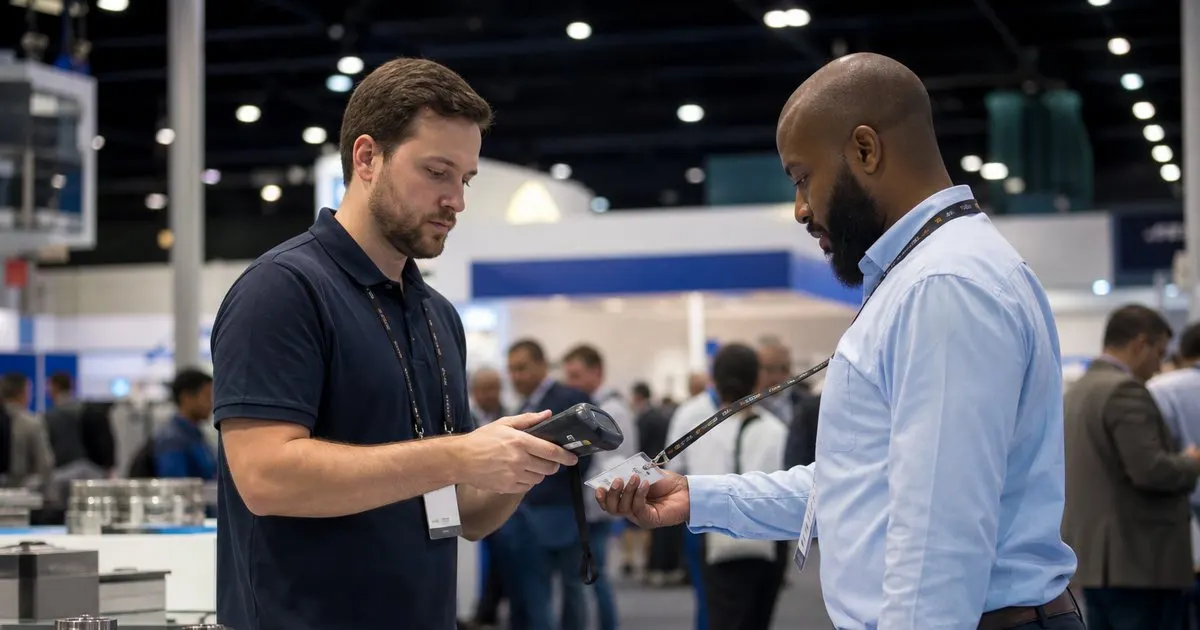
Exhibitors pay for booths to collect leads, then go home with a pile of business cards and a spreadsheet nobody trusts. Most of the failure is process, and badge scanning can fix the process.
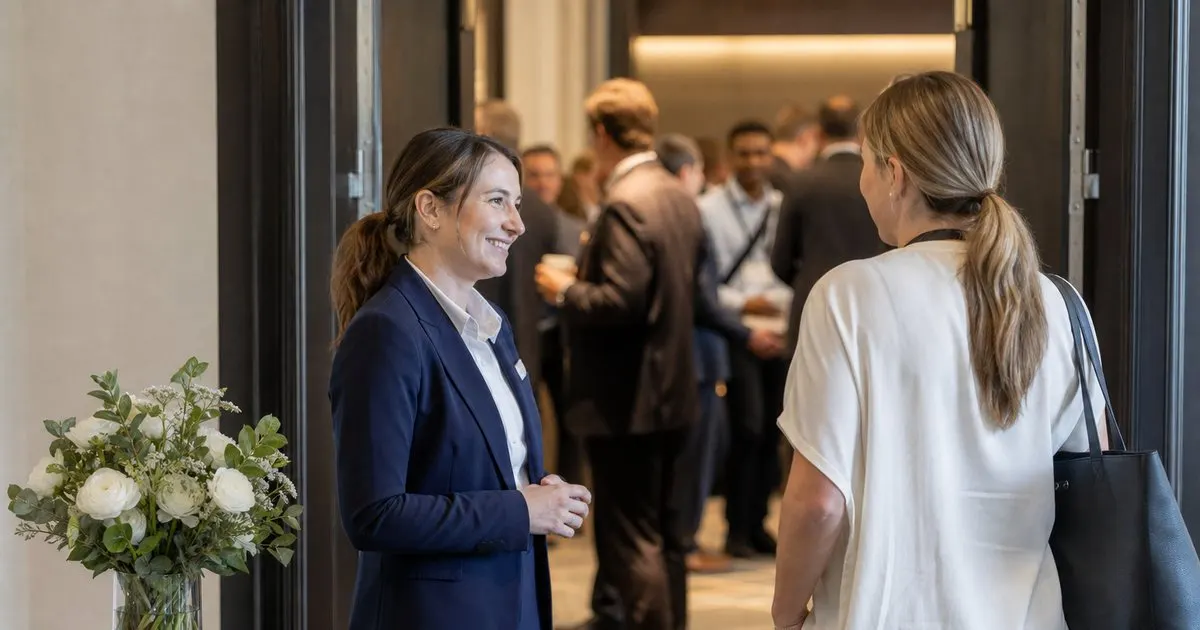
Speakers and VIPs need a fast, quiet arrival, but a special lane can starve the main line of staff and space. Here is how to give both groups what they need.
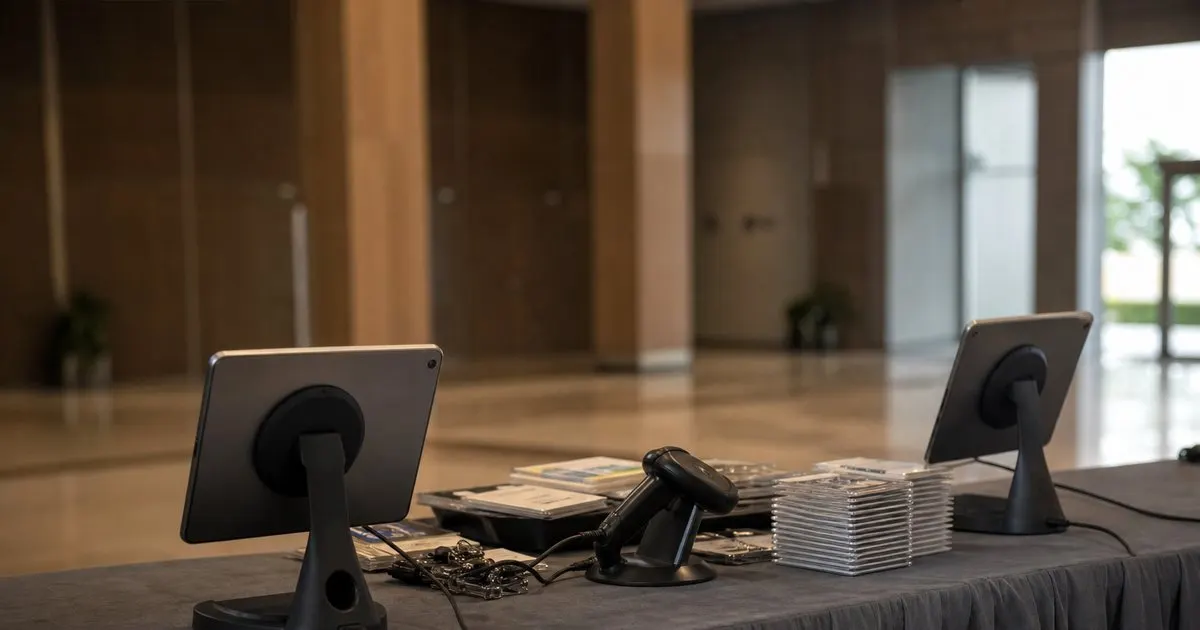
Both can scan a badge in about a second. They differ in what else they do, how they fail, and what they cost to keep charged and connected for a full event day.
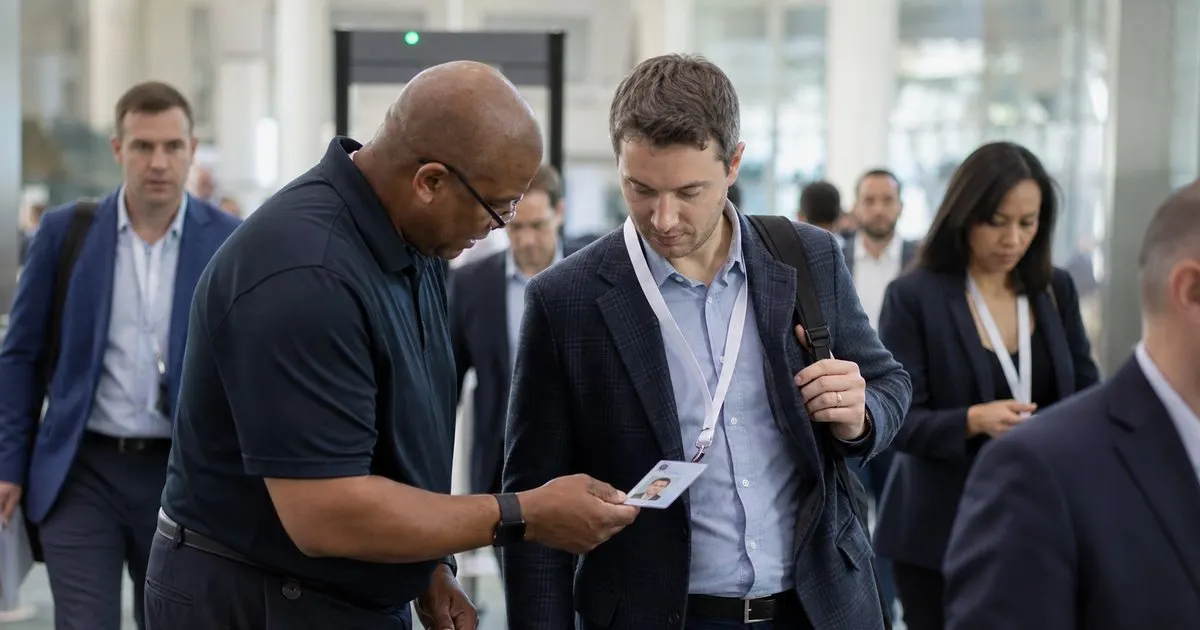
Two colleagues splitting one ticket is the most common form of event fraud, and it is mostly preventable with a few scanning rules and a badge design that makes passing it around awkward.

Most check-in disasters start in the spreadsheet, not at the desk. Here is the cleanup pass we run on an attendee list in the final week, and what to freeze versus leave open.

Kiosks are excellent at one narrow job and mediocre at everything else. Here is where they genuinely cut the line, where they quietly create a new one, and how to mix them with staff.