How can a large event run multiple check-in stations at once without checking anyone in twice?
Keeping several doors in sync so a busy event opens fast and every arrival is counted just once.
Have every station share one live list, so a check-in at any door updates everywhere instantly and no attendee is processed or printed twice. Guests approach whichever station is free, the system treats the event as one coordinated check-in, and you can add a station during a rush without corrupting the count.

One door is not enough
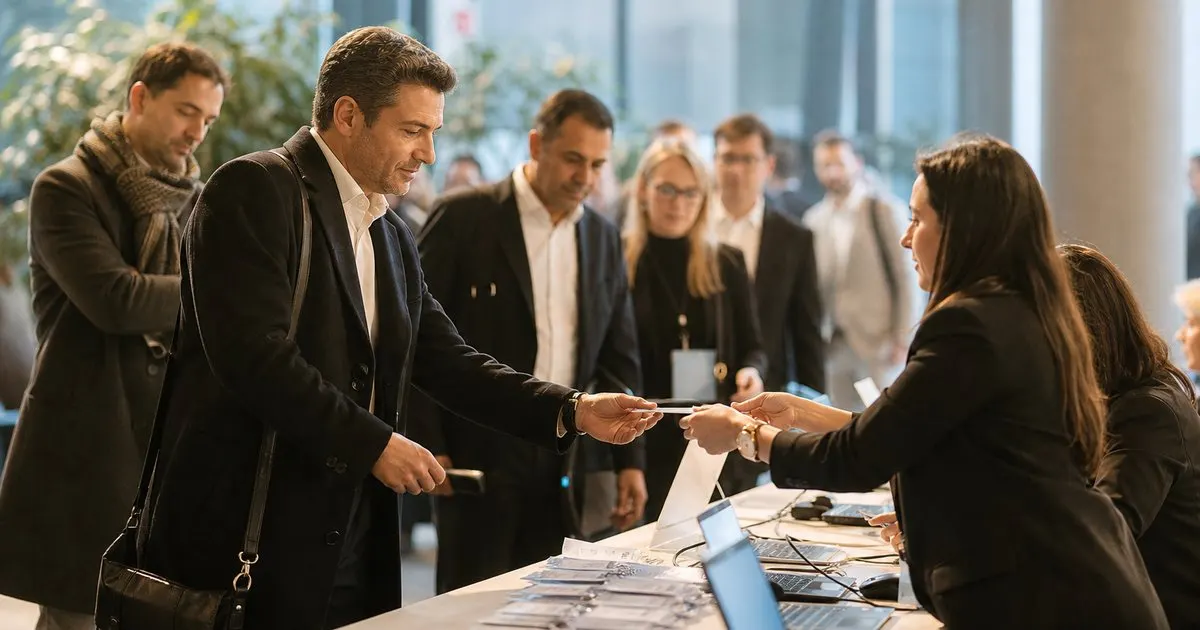
A large event cannot funnel every attendee through a single check-in point without creating a line that stretches out the door. Related: How can event organizers speed up the check-in line during the busy first hour of a conference?
Multiple stations are the obvious fix, but they only help if they work together rather than as separate, conflicting lists.
Keep reading: How can event organizers speed up the check-in line during the busy first hour of a conference?, What are the benefits of printing event badges on site instead of pre printing them all in advance?, How do organizers track session capacity so a popular conference talk does not become overcrowded?. See how BadgeCheckr helps you event attendee badge check-in and scanning.
The double check-in risk
If stations do not share data, an attendee could be checked in at one door and then again at another, corrupting your arrival count. Related: Should a recurring event use reusable badges or freshly printed badges for each attendee arrival?
Worse, a badge could print twice, or a genuine attendee could be flagged as already arrived when they were not.
Staying in sync
Stations that share one live list mean a check-in at any door updates everywhere instantly, so no one is processed twice.
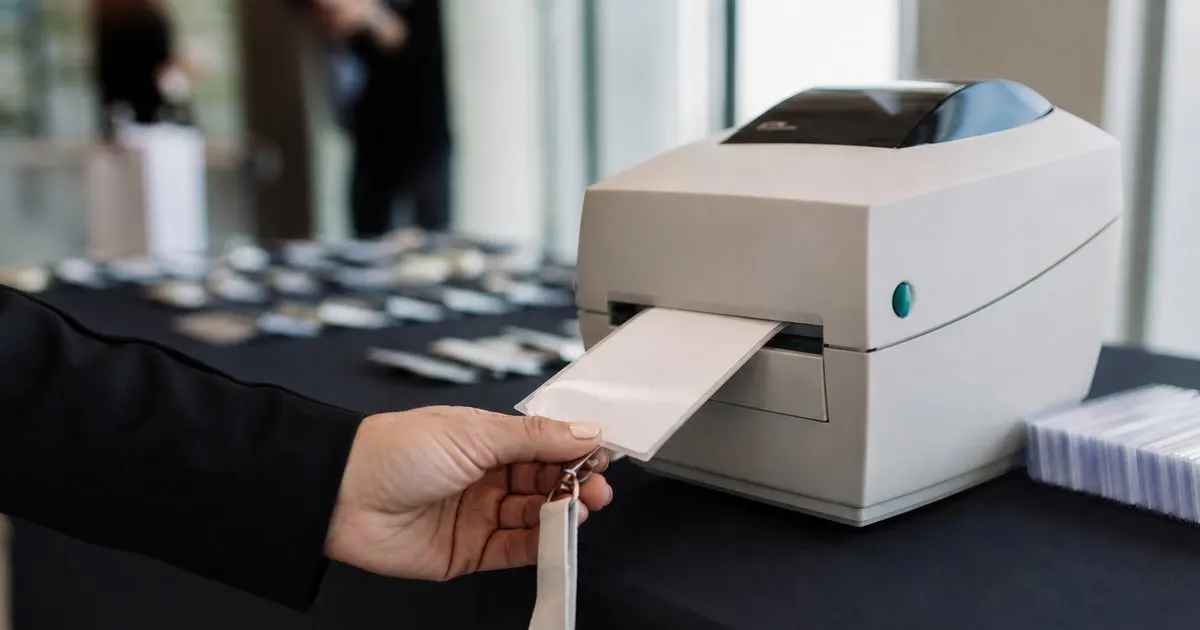
Attendees can approach whichever station is free, and the system treats the whole event as one coordinated check-in. Related: What are the benefits of printing event badges on site instead of pre printing them all in advance?
Scaling up smoothly
Because synced stations act as one, you can add another during a rush and it simply joins the same shared count.
That flexibility lets a big event scale its entrance to the crowd without ever losing the integrity of the arrival data. Related: How can organizers measure real event attendance instead of relying on registration numbers alone?
- One door cannot absorb a large crowd
- Unsynced stations risk double check-ins
- A shared live list prevents double processing
- Synced stations let you scale to the crowd

Julien Jimenez
Julien Jimenez is an independent software builder based in Paris. He designs, ships, and operates focused SaaS products for small businesses and independent professionals. Read the full author page.
Frequently asked questions
What actually causes a double check-in?
Stations that do not share data. An attendee checked in at one door can be checked in again at another, corrupting the arrival count, printing a badge twice, or flagging a genuine attendee as already arrived when they were not.
How do synced stations help a big event scale?
Because they act as one, adding another station during a rush simply joins the same shared count. That lets a large event size its entrance to the crowd without ever losing the integrity of the arrival data.
A check-in line that moves
Event attendee badge check-in and scanning. BadgeCheckr is built to help you put this into practice.
Set up check-inMore from the BadgeCheckr blog

Get the BadgeCheckr playbook
Practical guides on event check-in, straight to your inbox as we publish them. No spam, unsubscribe any time.